
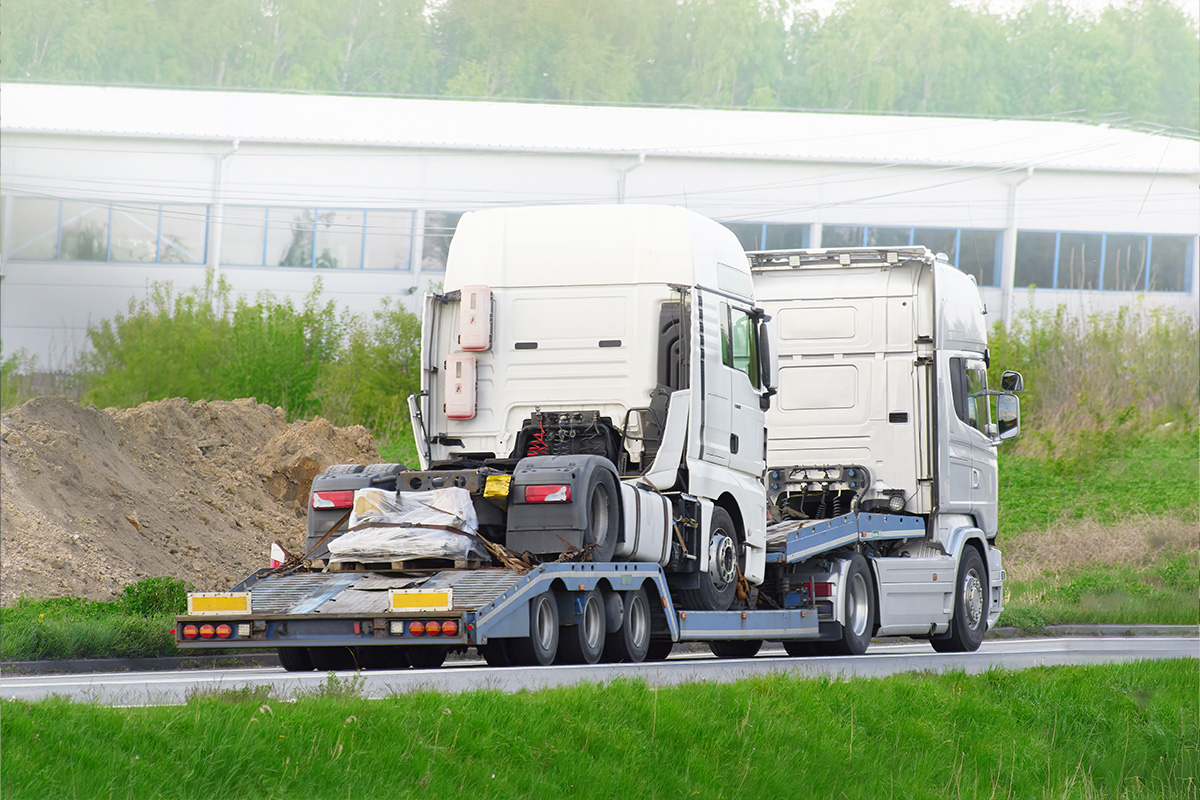
Heavy duty towing is one of the most demanding and complex segments of the towing industry. Unlike standard towing jobs, where a light-duty truck can haul a sedan or small SUV, heavy-duty towing involves massive loads—tractor-trailers, buses, construction machinery, or commercial trucks. These vehicles are not only large and heavy but also present unique mechanical, logistical, and safety challenges that push tow operators to their limits every single day.
Whether it’s handling dangerous roadside recoveries, navigating traffic, or dealing with mechanical complications, heavy-duty tow operators must stay alert, skilled, and resourceful at all times. In this blog, we’ll explore the top five challenges heavy-duty tow operators face on a daily basis, and how professionals in the industry overcome these obstacles with precision, experience, and commitment.
1. Managing Enormous Vehicle Weight and Complex Recovery Situations
When a semi-truck or commercial bus breaks down, it’s not as simple as hooking up a chain and pulling it away. Heavy-duty vehicles can weigh anywhere from 30,000 to over 80,000 pounds, and this immense weight requires specialized trucks, advanced equipment, and extensive operator training.
Tow operators must calculate weight distribution, anchor points, and recovery angles precisely. A single misjudgment can cause a vehicle to slip, flip, or even cause serious injury. This level of complexity means every recovery is a custom operation that depends on terrain, weather, and vehicle type.
Equipment Limitations and the Need for Advanced Tools
Heavy-duty recovery requires specialized tools such as hydraulic winches, underlifts, air cushion recovery systems, and rotator tow trucks. These are not always available in smaller towing companies, which makes equipment investment one of the biggest challenges in the industry.
Maintaining and upgrading this equipment is also costly, and operators must ensure that all machinery is inspected regularly to prevent failure during critical recoveries. A malfunctioning winch or strap can endanger both the operator and other motorists on the road.
Balancing Safety and Efficiency During Recovery
Time is crucial when clearing a disabled truck from a busy highway. Tow operators must balance speed and safety — moving quickly enough to restore traffic flow but cautiously enough to prevent accidents. This delicate balance is one of the most mentally demanding aspects of heavy-duty towing.
2. Navigating Dangerous Roadside Environments and Traffic Risks
One of the most dangerous aspects of heavy-duty towing is the environment itself. Tow operators often work on highways, bridges, and rural roads with poor visibility or tight spaces. When responding to breakdowns or crashes, they must maneuver massive tow rigs inches away from moving traffic.
Even with safety cones, reflective vests, and flashing lights, tow operators remain vulnerable. According to multiple safety studies, roadside assistance workers face higher fatality rates than many other driving professions. A single distracted driver can turn a recovery mission into a tragedy.
Adverse Weather and Night Operations
Rain, snow, fog, or extreme heat can all make towing operations exponentially more difficult. In poor weather, traction decreases, equipment freezes, and visibility drops — making every maneuver more hazardous. Many heavy-duty tow jobs occur late at night, increasing the risk of fatigue and impaired driver visibility.
Operators must adapt to these changing conditions, relying on both skill and instinct to safely complete recoveries without endangering themselves or their clients.
Importance of Safety Protocols and Team Coordination
Because of the risks, most reputable towing companies enforce strict safety protocols: using proper lighting setups, communication signals, and coordinated team movements. Operators must stay in constant communication via radios or headsets to ensure everyone on-site knows what’s happening at all times.
Still, no matter how many safety procedures are followed, roadside towing remains one of the most unpredictable jobs in the transportation industry.
3. Dealing with Mechanical Failures and Equipment Maintenance
Heavy-duty tow trucks are mechanical giants that undergo extreme stress during every operation. Winches lift thousands of pounds, booms rotate under high torque, and engines run for hours in challenging conditions. If not meticulously maintained, these systems can fail — and failure in the middle of a job can have catastrophic consequences.
Regular inspections, preventive maintenance, and immediate repairs are vital. However, maintenance downtime means lost revenue, and balancing operations with upkeep is a constant struggle for towing companies.
Supply Chain and Parts Availability Issues
Another challenge is the availability of replacement parts for specialized heavy-duty equipment. Unlike smaller tow trucks that use more common components, heavy-duty rigs require unique parts that often must be ordered from specific manufacturers. This leads to delays and increased operating costs.
Operators must plan ahead, maintain spare inventories, and schedule repairs during off-peak hours to keep fleets running efficiently.
The Cost of Keeping Equipment in Top Shape
The price of maintaining a single heavy-duty tow truck can reach tens of thousands of dollars annually. Tires, hydraulics, cables, and electronics all wear out faster than on standard vehicles. Add fuel and insurance costs, and it’s easy to see why maintenance is one of the biggest operational challenges in the heavy-duty towing business.
4. Managing Client Expectations and Emotional Stress
Heavy-duty tow operators rarely receive calls from calm, happy clients. They often arrive at scenes of breakdowns, accidents, or traffic jams where frustration and urgency are high. Truck drivers, logistics managers, or law enforcement may all be pressuring them to act faster.
Operators must stay calm, make rational decisions, and communicate clearly — even when others are stressed or upset. This emotional resilience separates experienced professionals from amateurs in the field.
Customer Misunderstandings and Unrealistic Expectations
Many clients underestimate the complexity of heavy-duty recovery. They may assume a tow can be completed in minutes, unaware of the preparation and safety steps involved. When delays occur, operators face blame or dissatisfaction despite following correct procedures.
Educating customers and maintaining transparency about the towing process helps reduce tension and builds long-term trust between operators and clients.
The Mental Toll of Constant Stress and Long Hours
Heavy-duty tow operators often work irregular schedules, long shifts, and emergency callouts. They may respond to serious accidents involving injuries or fatalities — experiences that can take a psychological toll.
Maintaining mental health is essential, and many companies are now providing support resources and counseling to help operators manage job-related stress.
5. Regulatory Compliance, Training, and Certification Requirements
Heavy-duty towing involves strict compliance with local, state, and federal regulations. These include vehicle weight restrictions, operator licensing, safety inspections, and environmental laws related to spills or hazardous materials.
Non-compliance can lead to fines, penalties, or even suspension of operations. For this reason, operators must constantly stay updated on new laws, which vary across jurisdictions.
Training and Skill Development Challenges
Operating a heavy-duty tow truck requires much more than just driving skills. Operators must master advanced rigging techniques, understand load physics, and be certified in safety protocols. Many states now require specific certifications for handling oversized or hazardous recoveries.
Finding and retaining skilled operators who meet these qualifications is increasingly difficult, especially as the demand for towing services continues to rise nationwide.
Insurance and Liability Concerns
Because of the high risks involved, insurance costs for heavy-duty towing companies are significant. Operators must ensure that both their vehicles and personnel are fully covered for potential damage or injury claims. Keeping up with insurance requirements adds another layer of complexity and cost to daily operations.
Adapting to Change: How the Industry Is Evolving
Fortunately, innovation is helping tow operators overcome many of these challenges. GPS tracking, digital dispatching, and telematics systems improve communication and efficiency. Modern rotator tow trucks provide greater stability and precision.
Additionally, mobile apps now help drivers request towing or roadside assistance faster, allowing companies to respond more effectively.
Training and Professional Development
Many towing companies are investing in ongoing training for their operators. From safety workshops to advanced rigging seminars, continuous education helps keep teams sharp, confident, and compliant with industry standards.
Community and Industry Support Networks
Heavy-duty towing professionals often work within local associations or national organizations that provide support, advocacy, and knowledge sharing. These networks help operators connect with peers, discuss common challenges, and improve industry safety standards collectively.
Conclusion: Strength, Skill, and Dedication Behind Every Heavy-Duty Tow
Heavy-duty tow operators are the unsung heroes of the transportation industry. Every day, they face enormous physical demands, complex mechanical challenges, and dangerous working conditions—all while maintaining composure and professionalism under pressure.
From managing multi-ton recoveries to navigating treacherous roads and regulations, their job requires unmatched skill, courage, and endurance. Despite the daily obstacles, heavy-duty tow operators continue to deliver reliability and safety, keeping highways clear and communities moving.
The next time you pass a tow operator working in tough conditions, remember — behind that flashing light and steel cable stands a professional whose commitment makes every road a safer place to travel.